Why Third-Party Monitoring Matters for Development Organizations in Jordan
What happens to an evaluation when the people grading the test also wrote it? That is the quiet risk sitting inside every development program that monitors its own success, and it is the exact problem third-party monitoring is built to solve. In Jordan's development sector, where multi-year programs answer to ministries, donors, and the communities they serve all at once, that independence has become non-negotiable.
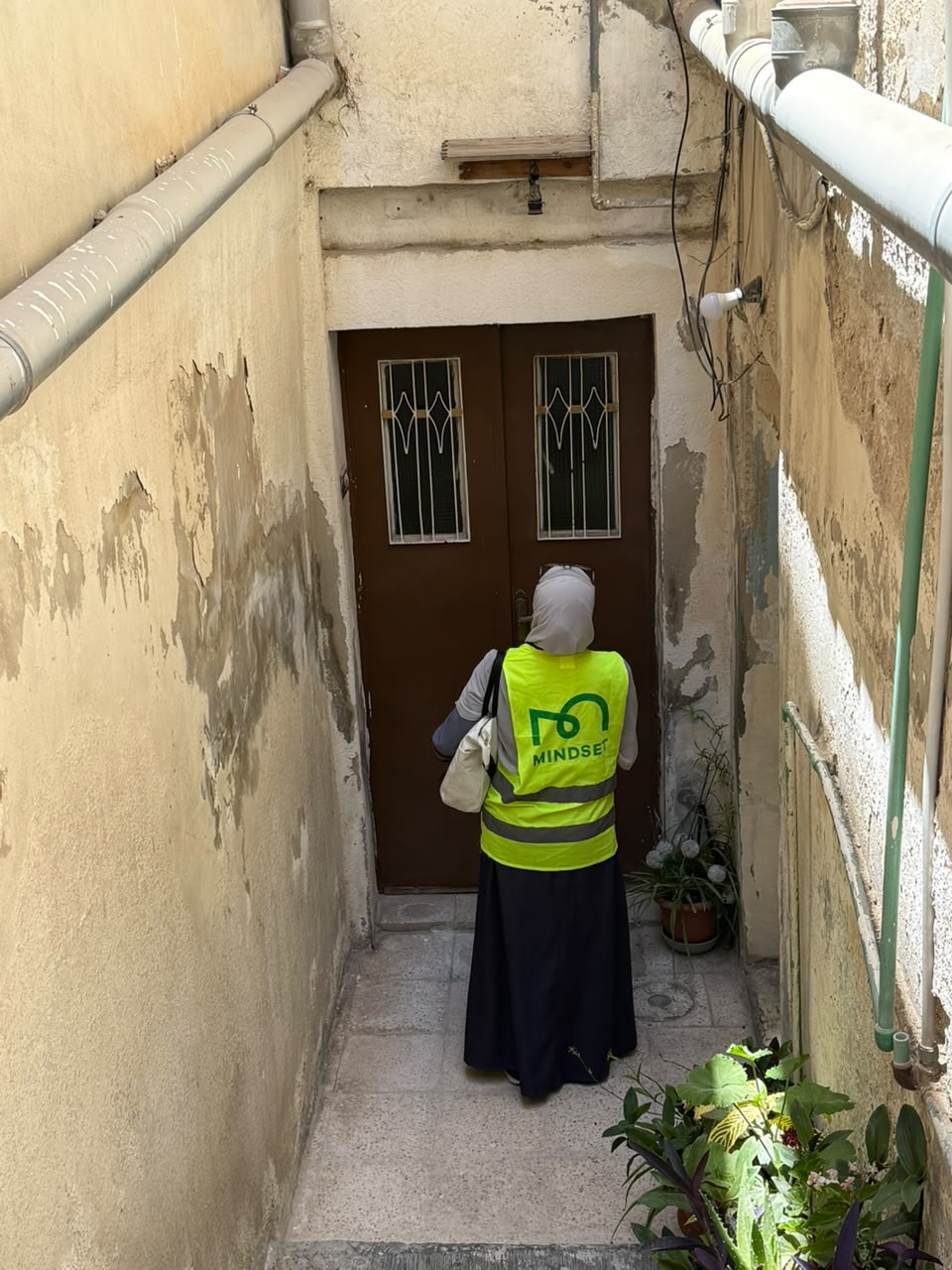
When an external research team conducts post-training assessments, attendance monitoring, or impact evaluations, findings are no longer filtered through the interests of the implementer. One multi-year third-party monitoring assignment in Jordan tracked teacher attendance across nearly 7,000 educators in a single round, alongside perception surveys reaching over 3,600 individuals through in-person and phone interviews. Data collected at that scale only has value when those generating the evidence are independent of the results they are measuring.
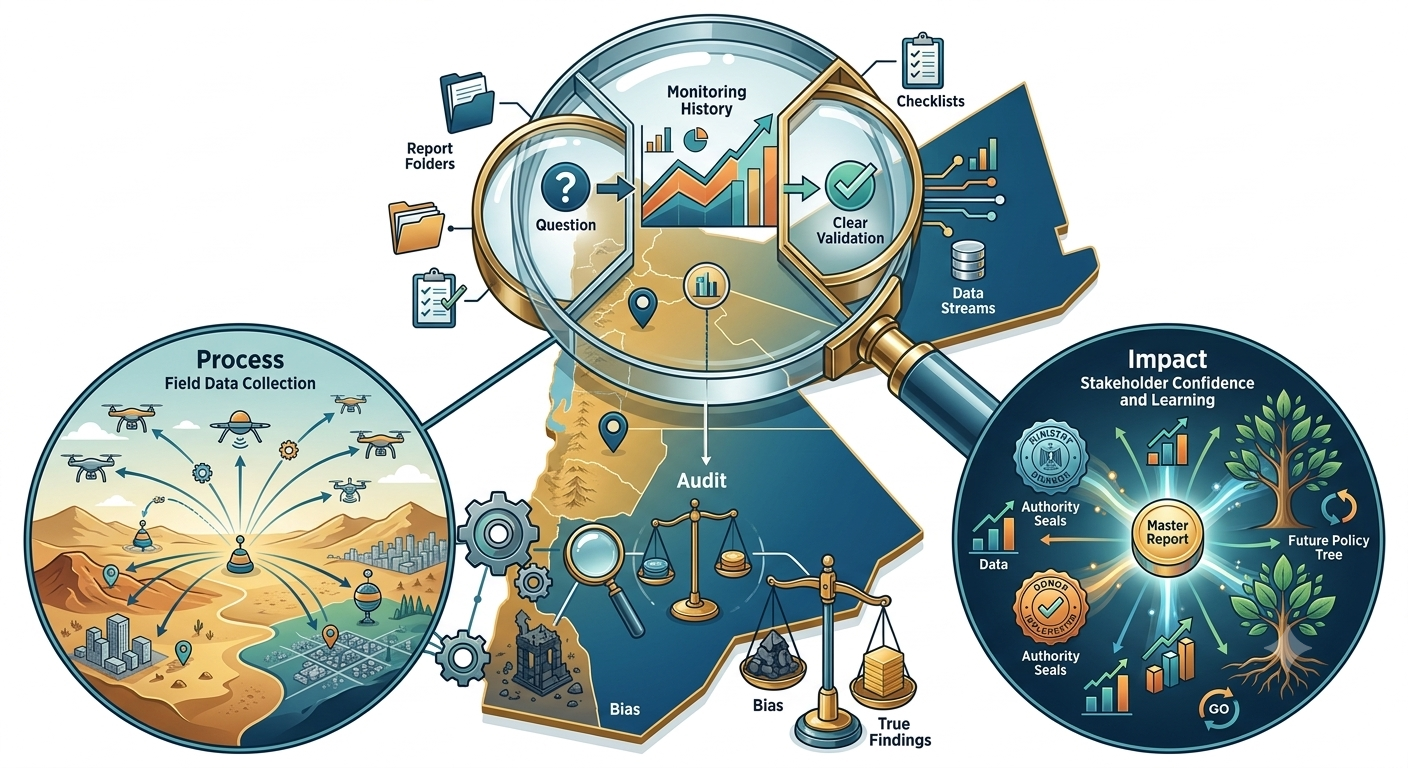
This matters because monitoring, evaluation, and learning systems designed by the same teams running a program can quietly bias what gets measured and how results get framed. The strongest third-party monitors do not verify numbers alone: they test whether a programme's theory of change holds up in practice, using organisational capacity assessments, document reviews, and structured tools built to be defensible under scrutiny, not just easy to deliver.
Equally important is what numbers alone cannot show. Programs complement quantitative attendance and perception data with dozens of focus group discussions across multiple regions, reaching teachers, students, parents, civil society organizations, and ministry staff directly. This is where third-party monitoring earns its real value: not in confirming what a dashboard already suggests, but in surfacing the reasons behind a result that no survey question would have caught alone.
That is the standard worth holding every monitoring assignment to. Not whether a report gets delivered on time, but whether a donor, a ministry, and an implementer can each read the same findings and trust them equally, because no one shaping the data had a stake in how it would look.
In a sector where outcomes shape future funding and policy decisions, that kind of independence is not bureaucratic overhead. It is the difference between a program that looks successful and one that actually is.