What Happens When a Survey Doesn't Reach Its Target: Lessons from Field Data Collection in Jordan
A field team can plan for 45 completed surveys at a health facility and still walk away with two. That is exactly what happened during a recent nutrition baseline survey across three governorates in Jordan, and how a research team responds to that gap says more about its capability than any number in the final report.
Out of 1,194 eligible women invited to participate, 1,174 consented, and 1,079 ultimately completed the survey, a strong overall outcome built on real, uneven circumstances on ground. At one private hospital in Amman, the maternal and child health unit did not exist at all, and most patients visited only for delivery or caesarean procedures, making it nearly impossible to identify eligible respondents through quantitative screening alone. At another facility, eligible patients were present but staff were less supportive of the research, driving high refusal rates despite a willing sample. In Karak, a single clinic simply saw too few pregnant and lactating women during the data collection window to come close to its target.
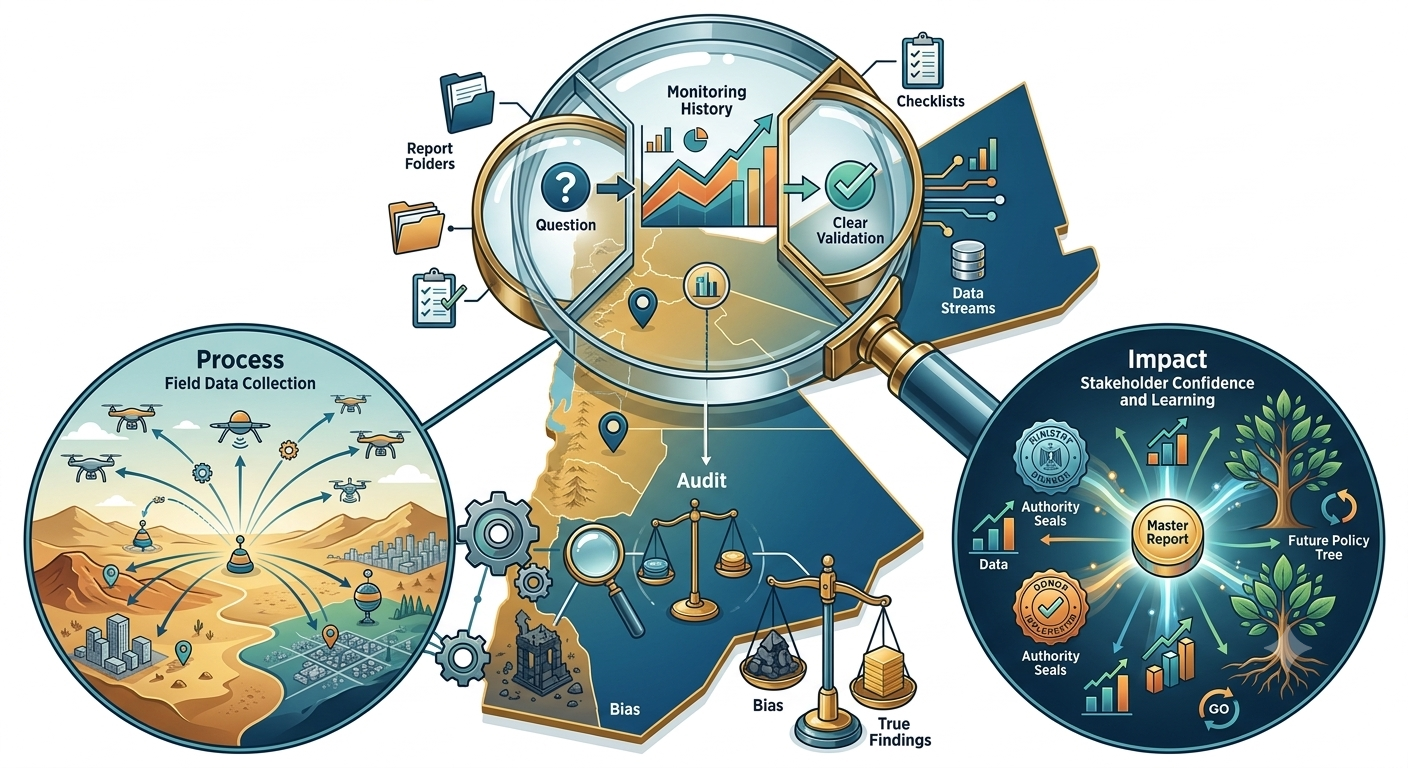
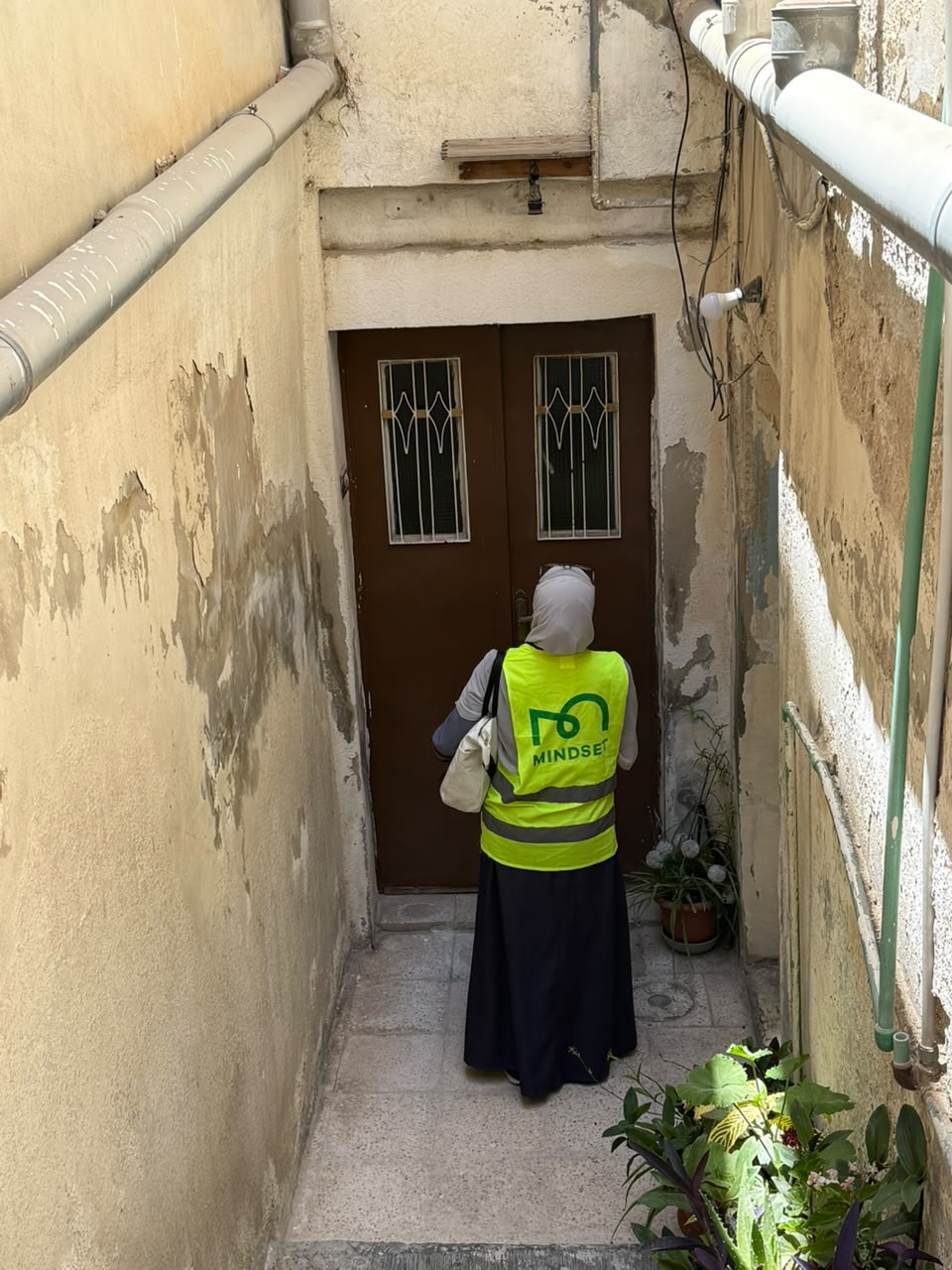
The instinct in these moments is to either force the number or quietly let it slide. Neither happened here. Where a facility could not yield its target, the team recruited additional eligible participants from other facilities within the same governorate, preserving the sample size and the governorate level comparisons the evaluation's MEL framework depended on. Where private interview space was unavailable, teams secured nearby community organizations to host the work. Where clinic visits were too brief, enumerators completed consent and measurements on site, then returned for home visits to finish properly. This is the difference between a survey design on paper and a survey that actually gets delivered.
The standard worth holding every research firm in Jordan to is not whether a report shows every target hit cleanly. It is whether the team documents exactly where reality diverged from the plan, and fixes it in the open rather than papering over it in the dataset.
That is also the standard development organizations in Jordan should demand before trusting any number in a final report. A dataset that hides its rough edges is not more credible for looking clean. It is simply less honest about what fieldwork actually costs to get right.